Rodent season in South Florida is not a winter-only problem. When Reddit homeowners ask why mice return in cooler months or keep turning up in the attic, my starting point is the same: check the evidence, food sources, and entry conditions before blaming the calendar.
I use public homeowner questions as prompts, then answer with university, EPA, and CDC guidance. Those discussions are not Miami-Dade infestation data, verified pest identifications, treatment instructions, or endorsements of Dade Pest Solutions.
If you already have signs of activity, our Rodent Defense Audit diagnostic service explains the assessment option. The starting fee and separately quoted corrective work are set out below.

When is rodent season in South Florida?
Rodents can be a year-round concern. Fall and winter are useful times for a home check, not the only months when prevention matters. A UF/IFAS roof-rat fact sheet says roof rats breed year-round in Florida, with broader spring and fall breeding peaks. That describes reproduction, not a measured winter invasion peak in Miami-Dade. The preserved UF/IFAS roof-rat fact sheet was revised in 2013 and reviewed in 2018; I do not treat it as a current local surveillance report.
NC State Extension's house-mouse biology guidance explains that mice may breed year-round and may spend their entire lives inside a building. University of Kentucky mouse guidance describes fall movement indoors for warmth, food, and shelter. That general explanation helps frame a seasonal check, but it does not establish a South Florida peak month or predict activity at your address.
My fall and winter rodent check starts before moving stored items
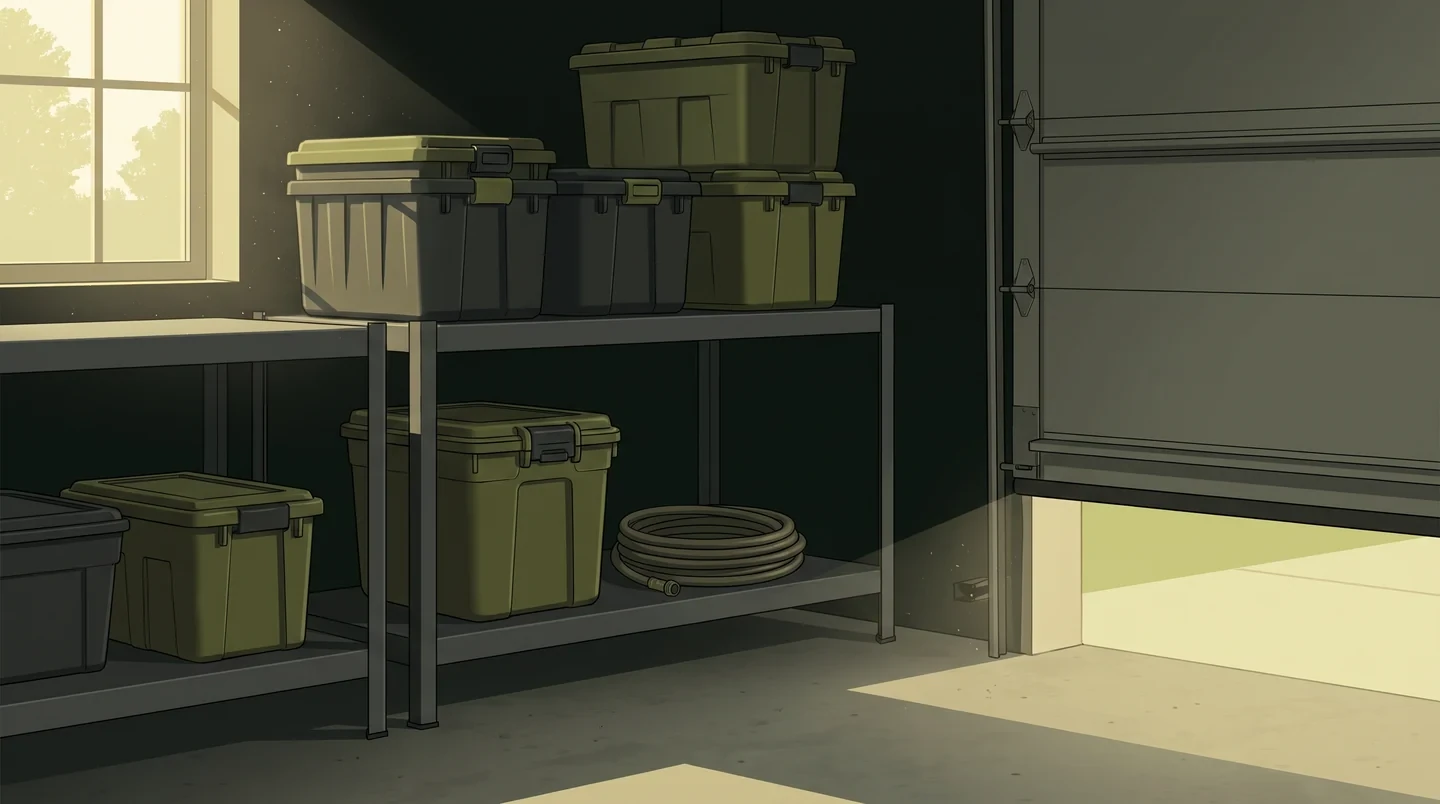
Retrieving decorations, rearranging the garage, or preparing stored supplies gives you a practical opportunity to notice conditions that otherwise stay out of sight. The point is to check safely, not to empty a potentially contaminated attic.
- Look before lifting. From a safe position, note damaged boxes, chewed packaging, nesting material, or suspected droppings. Stop if contamination is suspected; do not shake out fabric, move insulation, or brush waste away.
- Review stored food. Keep pet food, birdseed, and other food in securely closed containers. Clean accessible spills and avoid leaving pet food outside overnight.
- Reduce unnecessary clutter. Organize clean storage so accessible areas can be checked. Do not mistake tidiness for proof that openings are sealed.
- Look at accessible door and utility gaps. Note a damaged door sweep, vent screen, or opening without disturbing wiring, pipes, or ventilation. Ask the appropriate professional about repairs.
- Make a short observation record. Write down where and when you noticed a sound or physical sign and what has changed since the last assessment.
These checks apply year-round. UF/IFAS rodent-management guidance recommends addressing food, water, shelter, and access together. For the wider prevention plan, including recurring activity after sealing and what to ask about traps, read my South Florida rodent prevention Q&A.
Do not overlook fruit trees and the roofline
Roof rats are capable climbers. UF/IFAS recommends keeping limbs from overhanging the roof, using suitable rodent-resistant exclusion materials, and reducing available food. When fruit ripens, harvest it appropriately and pick up fallen or rotting fruit. The older fruit-tree fact sheet describes noticeable citrus damage; it is not a calendar of indoor infestations for every neighborhood.
Check what you can see safely from the ground, including visibly damaged soffits and vents. Use qualified help for elevated access and trimming near utilities. If animals may already be inside, ask how identification, control, and exclusion will be coordinated before sealing openings. A seasonal maintenance visit should not trap unidentified wildlife inside.
What to do now if you find evidence
EPA's rodent identification and prevention guidance lists clues such as chewed food packaging, nesting material, droppings, and openings. A single clue does not establish the species, number of animals, contamination level, or treatment scope.
Do not sweep or vacuum suspected rodent droppings, urine, or nesting material. Keep children and pets away. Follow the CDC rodent-cleanup guidance for ventilation, gloves, wet disinfection, and the precautions appropriate to the affected material. Extensive or inaccessible attic contamination needs professional advice, not a quick seasonal cleanout.
Do not scatter poison in the attic or yard. EPA rodent-bait safety guidance requires following the product label and protecting children and pets from traps and bait. Tell the provider about your household before a plan is selected. No bait station makes a treatment risk-free.
Seasonal rodent FAQs
Why do mice return in winter after a quiet summer?
A quiet summer does not establish that entry routes were closed or that every animal was gone. A change in sightings can reflect new access, continuing activity that was not noticed, or changes in food and shelter. The season alone cannot tell you which explanation applies.
I recommend recording where and when the new activity occurs and asking for a fresh assessment. Do not assume that a Reddit homeowner's suspected garage or gas-line opening is the route into your home. Repairs and control need to follow your property's findings.
Should I wait for a cold front before checking for rodents?
No. You can check accessible storage and entry conditions before cooler weather, and you should not postpone an assessment when signs are already present. South Florida does not have a winter-only rodent problem. Use the season as a reminder to review the property, not as a deadline for starting or ending prevention.
There is no temperature threshold in this guide that predicts when rodents will enter your house. Current evidence and safe access matter more than a weather forecast.
Could opening holiday storage reveal old rather than new rodent activity?
Yes. Finding damaged packaging or suspected waste while retrieving a stored box does not establish when it happened or whether activity continues. Do not handle or disturb suspected droppings to decide how old they are.
Keep people and pets away, note the location from a safe position, and arrange identification and an assessment if you are unsure. Follow CDC precautions for cleanup rather than shaking out the contents, sweeping the area, or vacuuming the box.
Does scratching in the attic during cooler weather confirm roof rats?
No. Scratching is a reason to investigate, not a species identification. UF/IFAS describes noises from rodents and also from other wildlife using buildings. The time of year and the sound alone do not confirm a rodent infestation.
Record the time and location without entering unsafe attic space. Ask the inspector what physical evidence supports the identification and which areas could not be checked. Do not climb onto a roof or disturb insulation to get a photograph.
When I recommend a documented inspection
If you are reporting recurring sounds, sightings, suspected waste, or a possible entry opening, request an assessment rather than waiting for the season to pass. Ask what was found, what remains uncertain, and what the proposed work is intended to address.
Our Rodent Defense Audit diagnostic service starts at $600 for inspection, activity and entry-point assessment, documentation, and a corrective action plan. Exclusion, trapping, and remediation are evaluated and quoted separately. The starting diagnostic fee is not an all-inclusive removal or sealing price.
If you are comparing proposals, my Miami-Dade rodent cost and quote guide explains how to separate those stages. You can also contact our team or call 305-330-5565 without reading another article first.
Dade Pest Solutions serves residential properties in Homestead, Cutler Bay, Palmetto Bay, Pinecrest, South Miami, Coral Gables, and Kendall. Confirm your address, availability, and the property-specific written scope directly with the team.
Sources and homeowner-question inspiration
The university, EPA, and CDC links above support the factual guidance. For the noise-identification limitation, see UF/IFAS guidance on unwanted wildlife in buildings. The two public discussions below inspired the seasonal and recurrence questions only; they do not establish local demand or authorize using another homeowner's treatment plan.
About the Author

Shaun Judy
Founder & CEO, Dade Pest Solutions
Shaun Judy is a South Florida native and the founder of Dade Pest Solutions. With over 17 years of hands-on pest control experience, he holds FDACS Certified Operator License JF293201 and has been featured in PCT Magazine (Pest Control Technology). Shaun personally oversees all pest control operations and treats every property as if it were his own.